Datrix
Datrix
Datrix
As the global technological landscape transitions into the era of Generative AI, Exascale Computing, and Large Language Model (LLM) training, data centers are experiencing unprecedented hardware density challenges. Modern silicon architectures, including high-density server platforms equipped with state-of-the-art accelerators, now scale beyond thermal thresholds previously manageable by conventional air cooling systems. The Thermal Design Power (TDP) of standard high-performance processors and AI accelerators is breaking the 700W to 1000W limit per socket, translating to rack power densities exceeding 40kW to 100kW.
Managing heat at this magnitude demands a shift from convective air cooling systems to conductive liquid-to-liquid thermal management frameworks. Deploying low-PUE (Power Usage Effectiveness) solutions is no longer just an ESG commitment; it is an economic necessity. Industrial data operators face rigid operational constraints where excess heat causes computational throttling, increased structural failure rates, and inflated energy expenditures. OEM/ODM custom cooling systems, engineered for target platforms, resolve these limitations directly at the die interface.
SEO Insights & Industry Paradigm: Implementing direct-to-chip (D2C) liquid cooling networks and advanced Coolant Distribution Units (CDUs) reduces facility cooling power usage by up to 90%, yielding PUE scores below 1.15 even under peak performance profiles. Datrix AI Computing Inc. designs custom, scalable solutions that align with these strict operating requirements.
Datrix AI Computing Inc. is a professional manufacturer specializing in high-performance AI GPU servers, GPU workstations, and customized computing infrastructure for AI training, deep learning, HPC, cloud computing, and enterprise data centers. With a strong focus on innovation, product reliability, and customer satisfaction, we provide scalable GPU computing solutions for system integrators, distributors, research institutions, and enterprise clients worldwide. Our experienced engineering team continuously develops advanced server platforms compatible with the latest GPU technologies, delivering outstanding performance, energy efficiency, and long-term stability.
From custom OEM/ODM configurations to complete AI infrastructure deployment, Datrix offers flexible manufacturing capabilities and comprehensive technical support to meet diverse customer requirements. We support deep modifications spanning logo integration, tailored hardware routing, custom sheet-metal chassis engineering, and modified BIOS/firmware setups, ensuring each cooling design and server platform conforms to our clients' precise datacenter guidelines.
Registration Date
Building Area
Annual Export Revenue
R&D Engineers
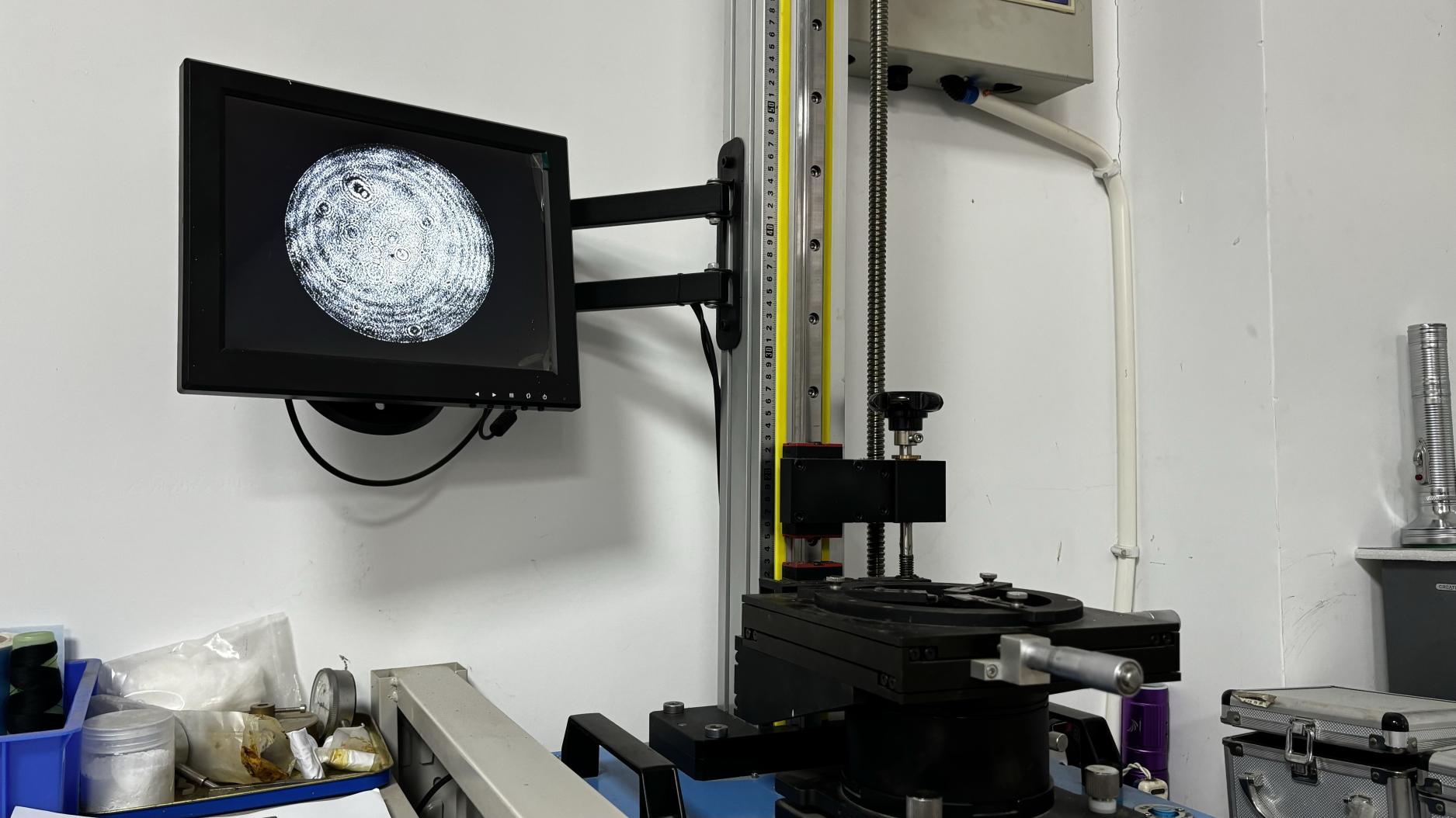
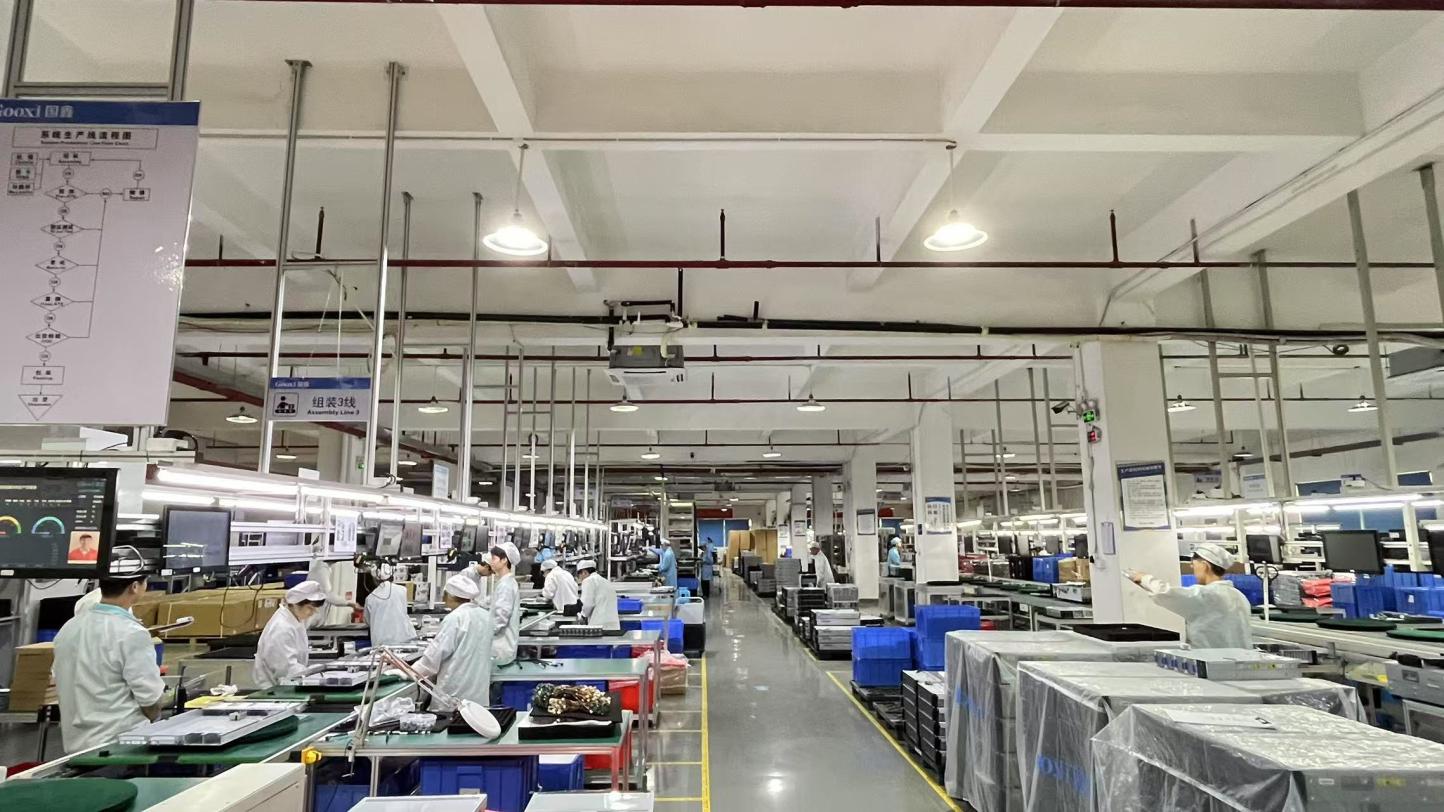
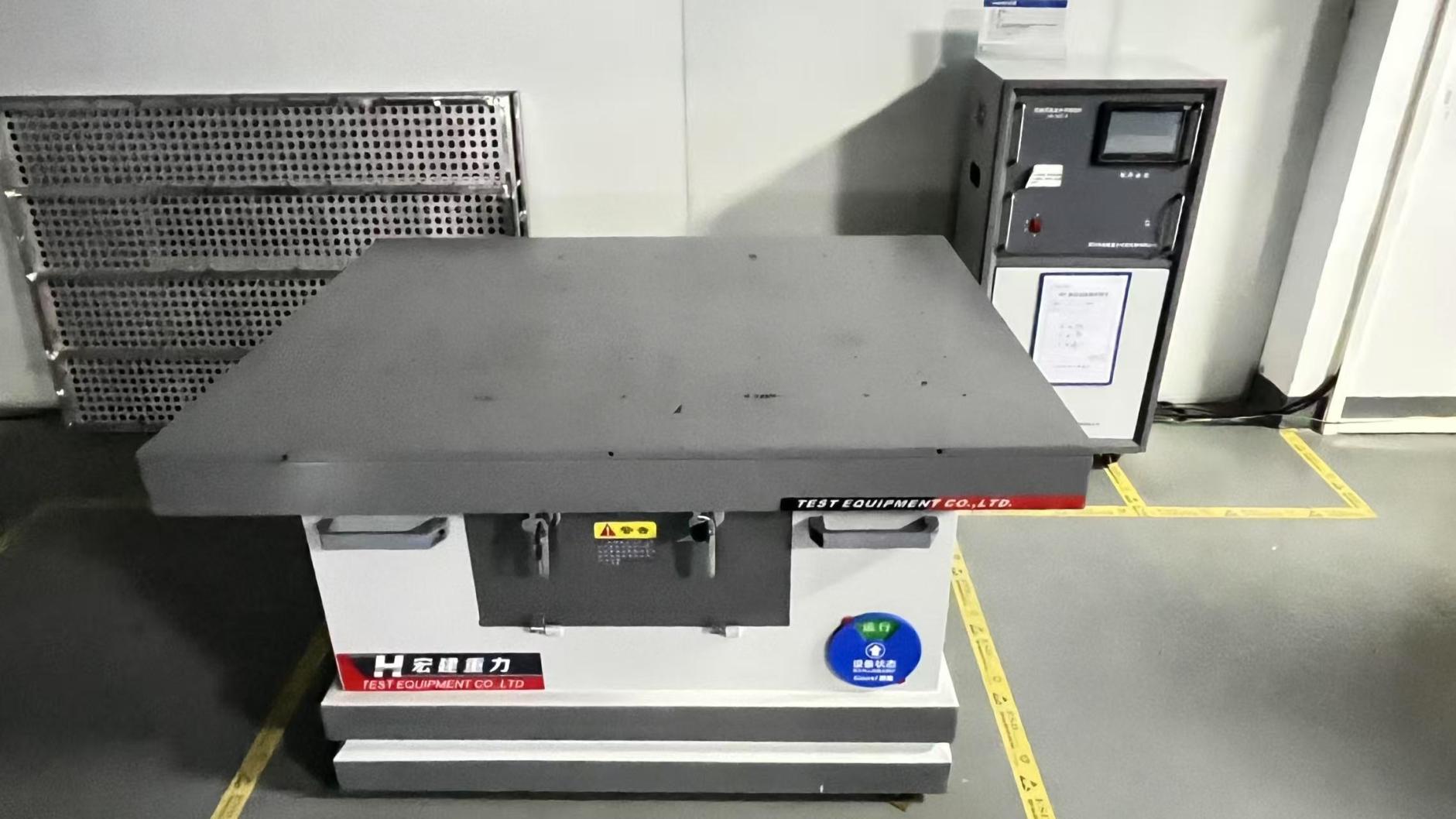
Achieving stable thermal margins in high-density data centers requires a layered cooling approach. Standard forced-air cooling reaches its limits at high power densities because the thermal resistance of air is relatively high. Modern deployments require liquid-cooling architectures that target the heat sources directly. The table below compares the physical and thermodynamic profiles of the primary cooling methodologies used in current server systems:
| Cooling Technology | Max TDP Support (Per Socket) | Coolant Medium | Target PUE Range | Optimal Deployment Scenarios |
|---|---|---|---|---|
| Direct-to-Chip (D2C) Cold Plates | 1000W+ | Water/Glycol Mixtures | 1.10 - 1.18 | High-density GPU clusters, LLM training rigs, enterprise AI farms. |
| Single-Phase Immersion | 800W - 1000W | Synthetic Hydrocarbons / Silicon Fluids | 1.03 - 1.08 | Hyperscale data centers, retrofitted operations, harsh environments. |
| Two-Phase Immersion | 1200W+ | Fluorinated Dielectric Liquids | 1.01 - 1.05 | Supercomputers, ultra-dense compute nodes with tight footprints. |
| Rear Door Heat Exchangers (RDHx) | Up to 40kW per rack | Chilled Water / PG Solutions | 1.20 - 1.25 | Mixed-density enterprise facilities moving to high-density servers. |
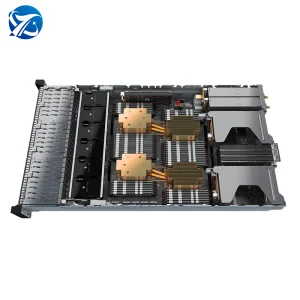
Direct-to-chip cooling remains the standard option for AI server architectures. By mounting a nickel-plated copper cold plate directly onto the silicon's Integrated Heat Spreader (IHS), thermal resistance is minimized. Internal micro-channels (ranging from 0.1mm to 0.2mm in width) maximize the convective heat transfer area. Heat transfers directly to the liquid loop, bypasses the air within the chassis, and is moved to the primary facility cooling tower through the CDU.
Datrix engineers custom cold plate geometries to align with varying component layouts. This includes specialized modules for VRAM, VRMs, and voltage conversion blocks to prevent localized hot spots. Our mechanical designs use finite element analysis (FEA) and computational fluid dynamics (CFD) to optimize flow patterns, prevent cavitation, minimize pressure drops, and maintain uniform die temperatures.
Managing global distribution requires strict adherence to local industrial standards and environmental regulations. Datrix maintains a robust logistics network, sending 28 million USD in exports annually to key regions, including North America, Europe, Southeast Asia, the Middle East, and Australia. Every product is configured to comply with regional requirements, such as CE, FCC, RoHS, and WEEE directives, ensuring smooth customs processing and facility integration.
We build our cooling systems to meet rigorous regional standards, ensuring long-term material integrity and compatibility with local environmental policies.
Our supply chain team manages the export and clearance of custom components and pre-assembled server frameworks directly to your target destination.
We provide comprehensive engineering resources, thermal modelling data, and component specifications to assist with onsite deployment and operations.
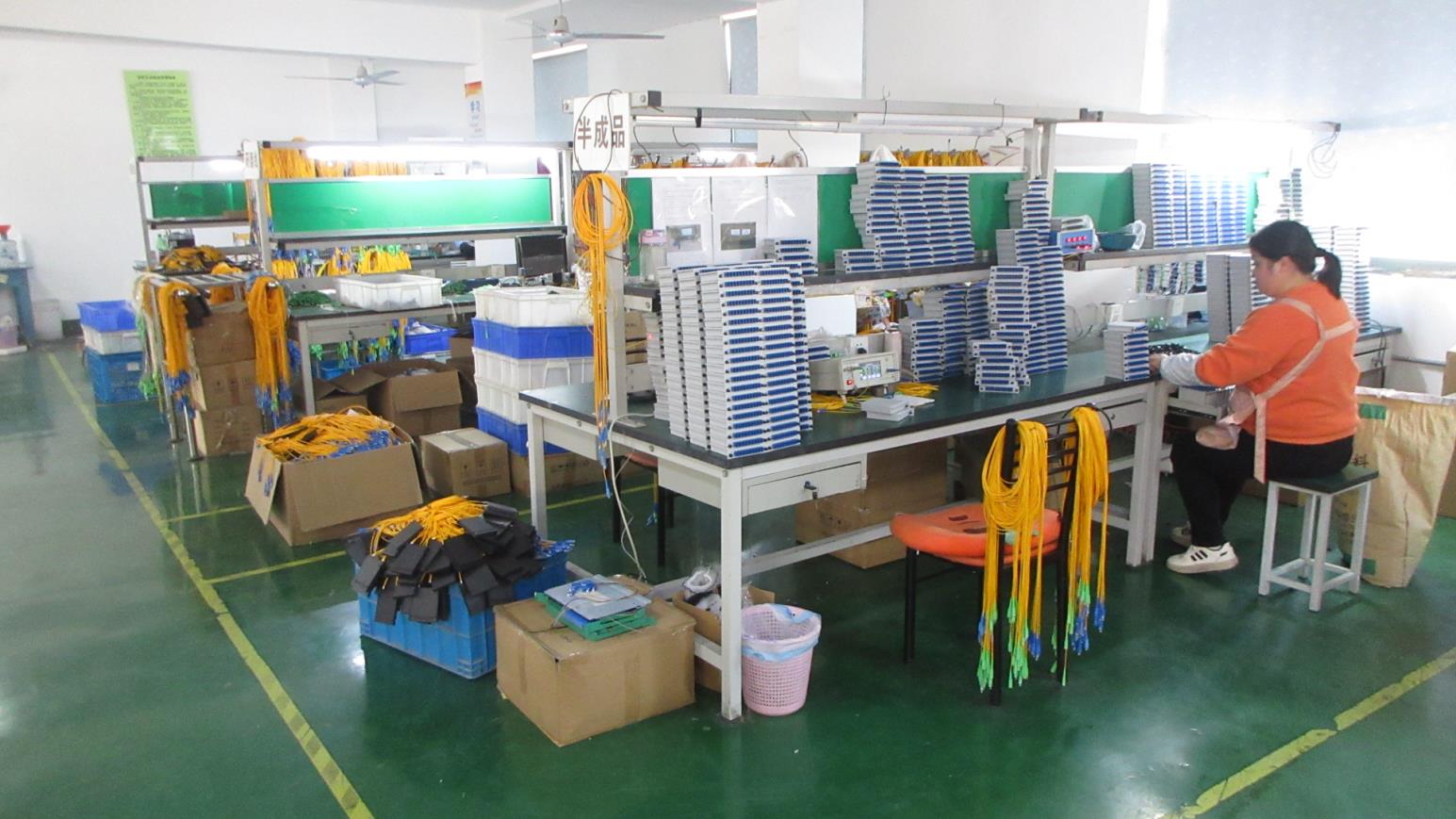
With over 1,180 partners across our supply chain, we secure consistent pricing and lead times for high-grade raw materials, including oxygen-free copper plates, high-grade silicon hoses, EPDM rubber profiles, leak-prevention connectors, and automated monitoring sensors. This integrated network helps us deliver reliable products that perform consistently under demanding operating conditions.
Data center requirements vary depending on physical location, energy costs, and local regulations. Our custom OEM/ODM cooling configurations are optimized for specific facility environments:
In high-rent urban areas, space is limited. High-density liquid cooling allows facilities to support more computing power per square meter, maximizing space efficiency and helping to manage high municipal utility rates.
In regions like the Middle East, high ambient temperatures make traditional air cooling highly inefficient. Liquid cooling systems allow processors to operate at stable temperatures without relying on energy-intensive air conditioning systems.
In Northern Europe, waste heat from servers can be captured via liquid-to-liquid heat exchangers and redirected to local district heating grids. This turns data center heat output into a valuable resource for surrounding communities.
As silicon designs advance toward sub-2nm nodes, spatial limitations require new thermal management techniques. Standard heat spreaders are being replaced by direct silicon micro-machined fluid channels, which bring coolant within microns of the active transistors. Datrix is actively researching these developments, aligning our manufacturing processes to support upcoming changes in server architecture.
We are focusing our research on two-phase immersion systems and next-generation dielectric fluids that offer high thermal conductivity without environmental impact. Additionally, our R&D team is developing smart CDUs equipped with predictive flow-control algorithms. These systems monitor real-time GPU loads, adjusting coolant flow rates dynamically to minimize pump wear and optimize energy consumption.
Long-Term Engineering Goals: Datrix aims to provide scalable, high-efficiency cooling architectures that support rising computational demands while helping operators meet their sustainability goals.
Liquid-to-liquid Coolant Distribution Units (CDUs) connect directly to the facility's water loop, providing excellent thermal dissipation without releasing hot air into the server room. Liquid-to-air systems, which rely on radiators and fans, still release heat into the room, requiring auxiliary HVAC support. For high-density racks running above 30kW, liquid-to-liquid setups are the standard choice for maintaining optimal PUE.
We use leak-prevention technologies, including dry-break quick couplers and double-sealed EPDM tubing. Every cooling assembly undergoes helium leak testing and hydrostatic pressure testing at 1.5 times the maximum operating pressure. Our designs can also integrate leak-detection cables that interface with the server's BMC to shut down operations if moisture is detected.
Yes. Our ODM services include custom cold plate design. Using your PCB files or physical samples, our engineering team maps the component heights and heat profiles to manufacture custom copper cold plates that optimize contact pressure and thermal transfer across all key components.
We recommend testing the coolant every 12 to 18 months to check active biocide and corrosion inhibitor levels. Using filtered, deionized water combined with approved glycol additives helps prevent biological growth and galvanic corrosion, ensuring long-term system reliability.
We employ 52 specialized QC inspectors who perform raw material audits, in-process quality control (IPQC), pressure tests, and functional burn-in tests on completed assemblies. All servers and cooling systems undergo a 100% pre-shipment inspection to ensure they meet our durability and performance standards.